The Importance Of Bracing Seismic In Building Construction
Seismic bracing is a crucial aspect of building construction, especially in areas prone to earthquakes. It involves the use of various structural elements and systems to improve the building’s stability and ability to withstand seismic forces. The goal of seismic bracing is to minimize damage to the building and protect the occupants during an earthquake. In this article, we will discuss the importance of bracing seismic in building construction.
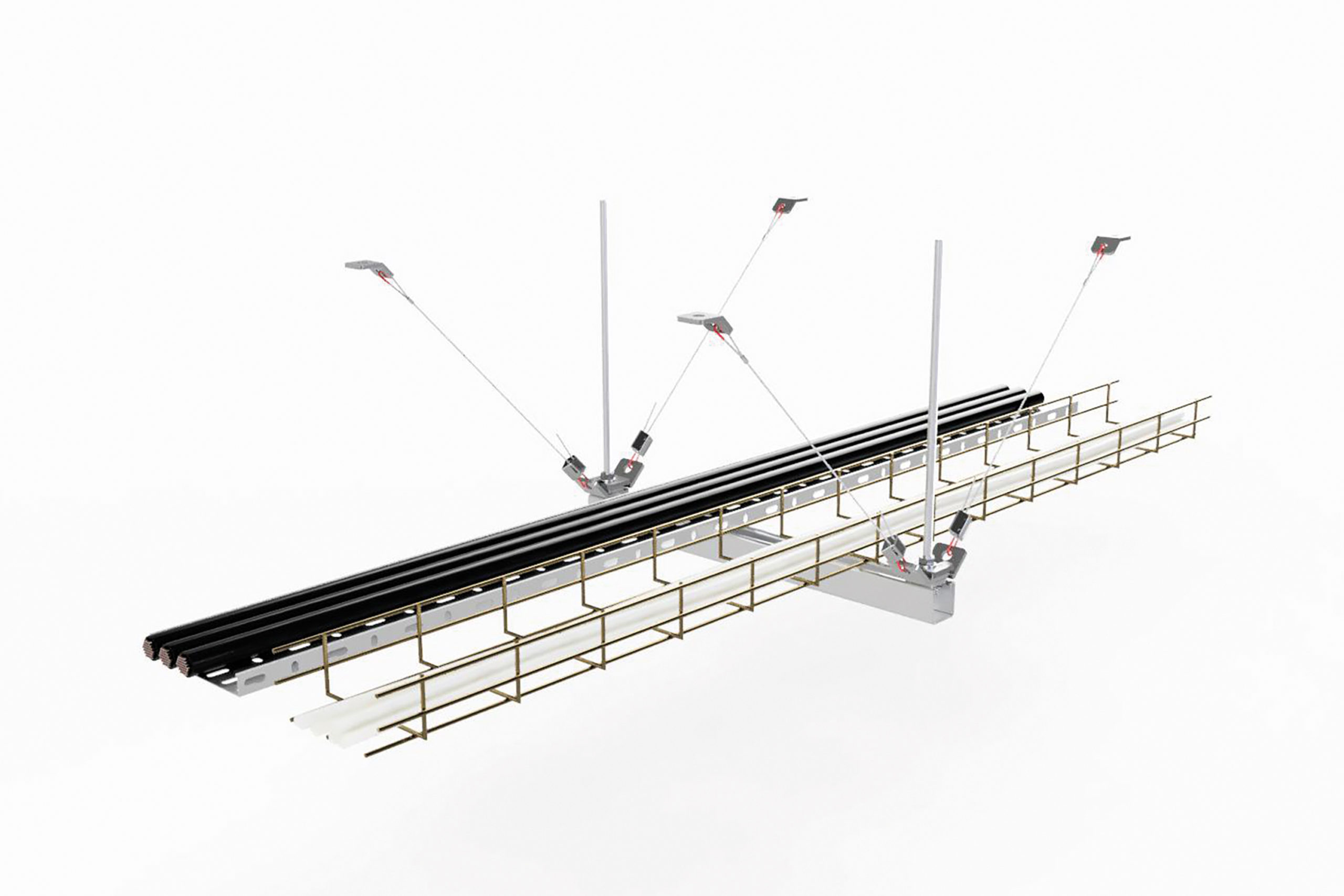
One of the key reasons why seismic bracing is important is to ensure the safety of the building occupants. Earthquakes can cause severe structural damage to buildings, leading to collapses and potential loss of life. By implementing seismic bracing techniques, engineers can strengthen the building’s structural integrity and reduce the risk of collapse during an earthquake. This is especially important in regions with a high seismic activity, where the risk of earthquakes is greater.
In addition to ensuring the safety of the occupants, seismic bracing also helps protect the building itself. The damage caused by earthquakes can be costly to repair, and in some cases, irreparable. By incorporating seismic bracing into the building design, engineers can minimize the damage caused by seismic forces, reducing the need for extensive repairs and ensuring the longevity of the structure. This can save building owners significant time and money in the long run.
Another important aspect of seismic bracing is its impact on insurance premiums. Buildings that are not properly braced for seismic activity are seen as higher risks by insurance companies, leading to higher insurance premiums. By investing in seismic bracing, building owners can demonstrate to insurers that their building is less vulnerable to earthquake damage, potentially reducing their insurance costs. This can result in significant savings over the life of the building.
Furthermore, seismic bracing can also improve the overall performance of the building during non-seismic events. The same elements that are used to brace a building against earthquakes can also enhance its resistance to other types of loads, such as wind and snow. By incorporating seismic bracing into the building design, engineers can create a more robust structure that can withstand a variety of external forces, ultimately improving its performance and longevity.
There are several different types of seismic bracing systems that engineers can incorporate into building designs. One common type is the use of diagonal bracing, which consists of diagonal elements that help transfer seismic forces through the building, reducing the risk of structural damage. Another type is the use of base isolators, which are devices that separate the building from its foundation, allowing it to move independently during an earthquake and reducing the impact of seismic forces on the structure.
In addition to these systems, engineers can also use damping devices, such as viscoelastic dampers, to absorb and dissipate seismic energy, further improving the building’s resilience to earthquakes. Each of these systems has its advantages and limitations, and the choice of system will depend on factors such as the building’s size, shape, and location.
In conclusion, bracing seismic is a critical aspect of building construction, especially in earthquake-prone areas. By strengthening the building’s structural integrity and reducing the risk of collapse during an earthquake, seismic bracing helps ensure the safety of the occupants and protect the building itself. Additionally, seismic bracing can lower insurance premiums, improve building performance, and enhance the building’s longevity. Engineers have a variety of seismic bracing systems at their disposal, each of which can be tailored to the specific needs of the building. Ultimately, investing in seismic bracing is a worthwhile endeavor that can lead to significant benefits for building owners and occupants alike.